

Why you shouldn’t jump straight into CAD

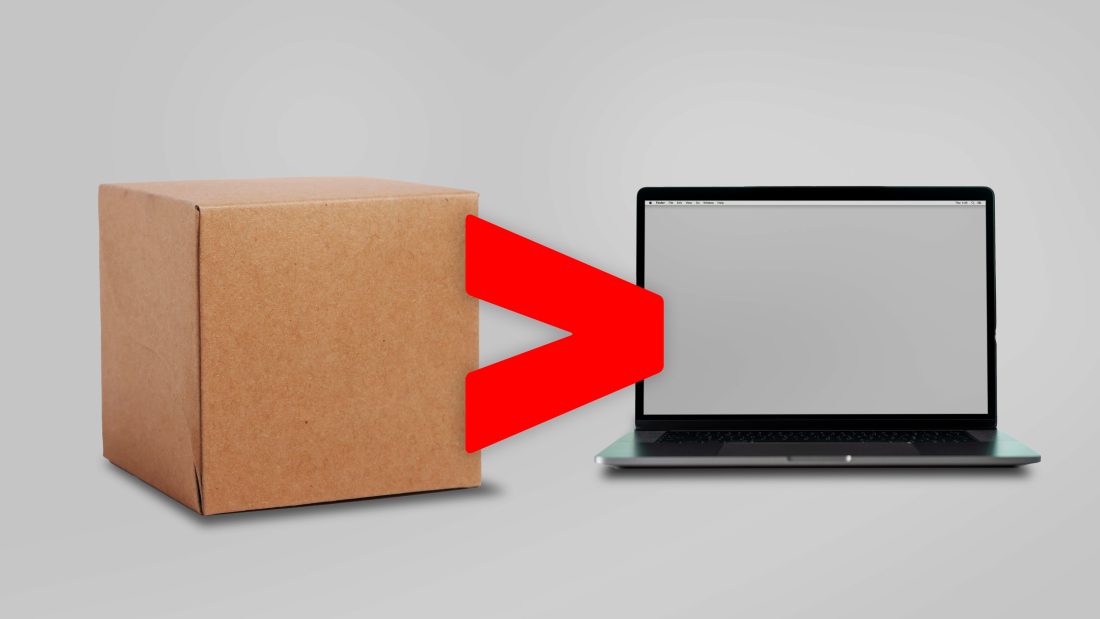
When you're making an idea into a physical object, it's a logical line of thought to want to get a model of that idea as soon as possible. It feels like progress. It produces beautiful renders. You can drop shots of it into a pitch deck and watch the room think that you're only a few steps away from the final product.  CAD models seem like the first meaningful step, and in many ways, they are. To make an object, you have to have a manufacturing plan. Whether that's injection molding, casting, machining, or otherwise, a precise model is typically needed

Questions a Product Development Firm Should Ask

Hiring a product development firm can be a great step, but it is not always the first step. Sometimes a company is ready to move directly into industrial design, engineering, prototyping, or manufacturing support. Other times, the product idea still needs more definition before a development team can usefully get involved. The difference usually comes down to whether the right questions have been answered before the project starts. When I speak with a potential client, I am not only trying to understand the product idea. I am trying to understand what decision the client needs to make next. A product development project should

A Past Project We Still Love: Celebration Stadium’s Birthday Grandstand

Over the years, we’ve had the chance to work on a wide range of products, and some stand out because they turn a familiar experience into something memorable. One of those projects was the Birthday Grandstand for Celebration Stadium, a modular candle holder created to make milestone birthday celebrations feel more dramatic, organized, and photo-worthy. Instead of placing dozens of candles directly into the cake, the Grandstand creates a dedicated display for birthday candles around the cake. The result is a cleaner presentation, less mess, and a more memorable moment for the guest of honor. We always enjoy projects like this that combine

Do the Hard Work Upfront

One of the biggest mistakes we see with new product ideas is that founders come to us with a solution already fully formed in their minds. While well-intentioned, this can set the project up for failure. We can design the best widget in the world, but if it does not solve the problem (or the problem is not worth solving), it doesn’t matter. This can cause otherwise positive engagements to end on a sour note. The client loves the product that was designed and prototyped, but it flops in the market, or it doesn’t truly solve the problem, and they’re left