


Most full product development engagements with Pillar begin around $15,000 and often range into the low six figures or more to move from an initial idea to a functional prototype.
The exact cost depends on the type of product, how clearly the requirements are defined, and how much design, engineering, prototyping, testing, and iteration is needed.
Many projects are phased. Not every client starts with a full development program.
These ranges are intended to help set expectations, not force every project into a predefined package. The right starting point depends on where the product is today, what needs to be proven next, and how much risk remains.
How much does it cost to develop a new product?
Phase 0: Product Definition & Development Planning
2–4 weeks
Not every project needs Phase 0. If the product requirements, risks, and next development step are already clear, we may recommend moving directly into design, engineering, or prototyping.
Phase 0 is used when the product idea is promising, but the requirements, risks, or development path are not yet clear enough for a larger design and engineering phase. We clarify what the product needs to do, identify major technical and manufacturing risks, outline high-level requirements, and create a practical development plan, budget, and timeline.
If we do not think the product is technically realistic or ready for a larger development effort, we will say so before you spend significantly more money.
Simple product design / focused prototype phase
3–6 months
This range is for simple products: plastic parts, basic mechanical items, or accessories with no custom electronics or firmware. This may include industrial design, CAD development, prototype planning, and one or more prototype rounds, depending on scope.
More involved mechanical or consumer product development
5–9 months
Products in this range typically need deeper mechanical work: multiple prototype rounds, user testing, and design refinement. Think moving parts, ergonomic challenges, sealing or durability requirements, and design refinement toward manufacturing readiness. This is often where an idea turns into a serious functional prototype.
Complex electro-mechanical product development
9+ months
Products that fall here have electronics, firmware, sensors, motors, batteries, connectivity, or complex user interactions. Work spans industrial design, mechanical and electrical engineering, PCB and firmware development, and functional test beds. This is usually the first stage before certification, tooling, and production launch.
What drives the cost?
- Product complexity
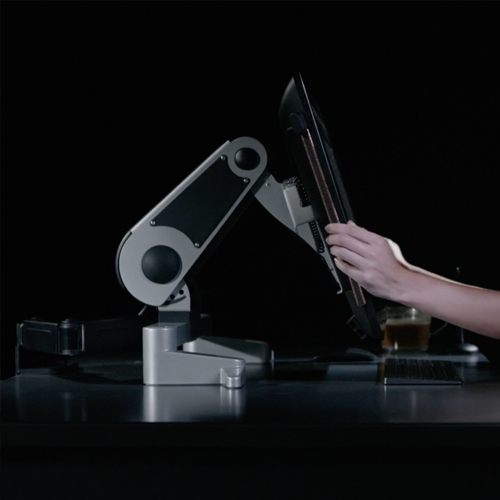
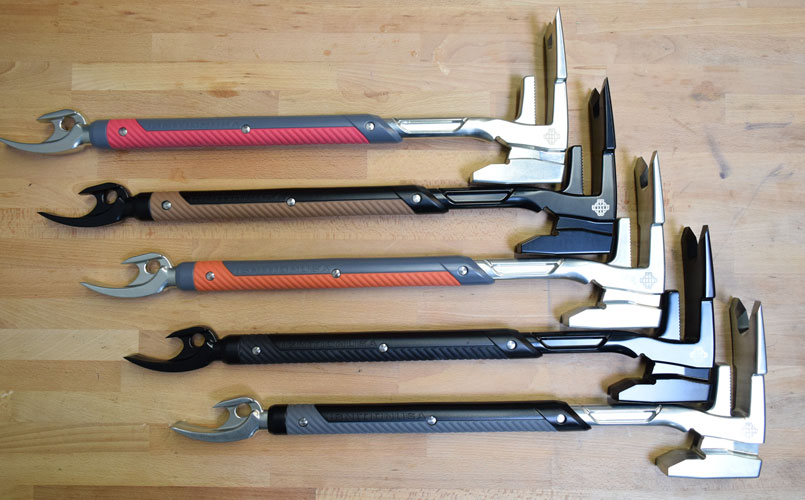
- The number of parts, mechanisms, assemblies, and user interactions has a major impact on design and engineering effort. A simple plastic part is very different from a multi-component product with moving parts, seals, mechanisms, or tight packaging constraints.
- Electronics, firmware, and software
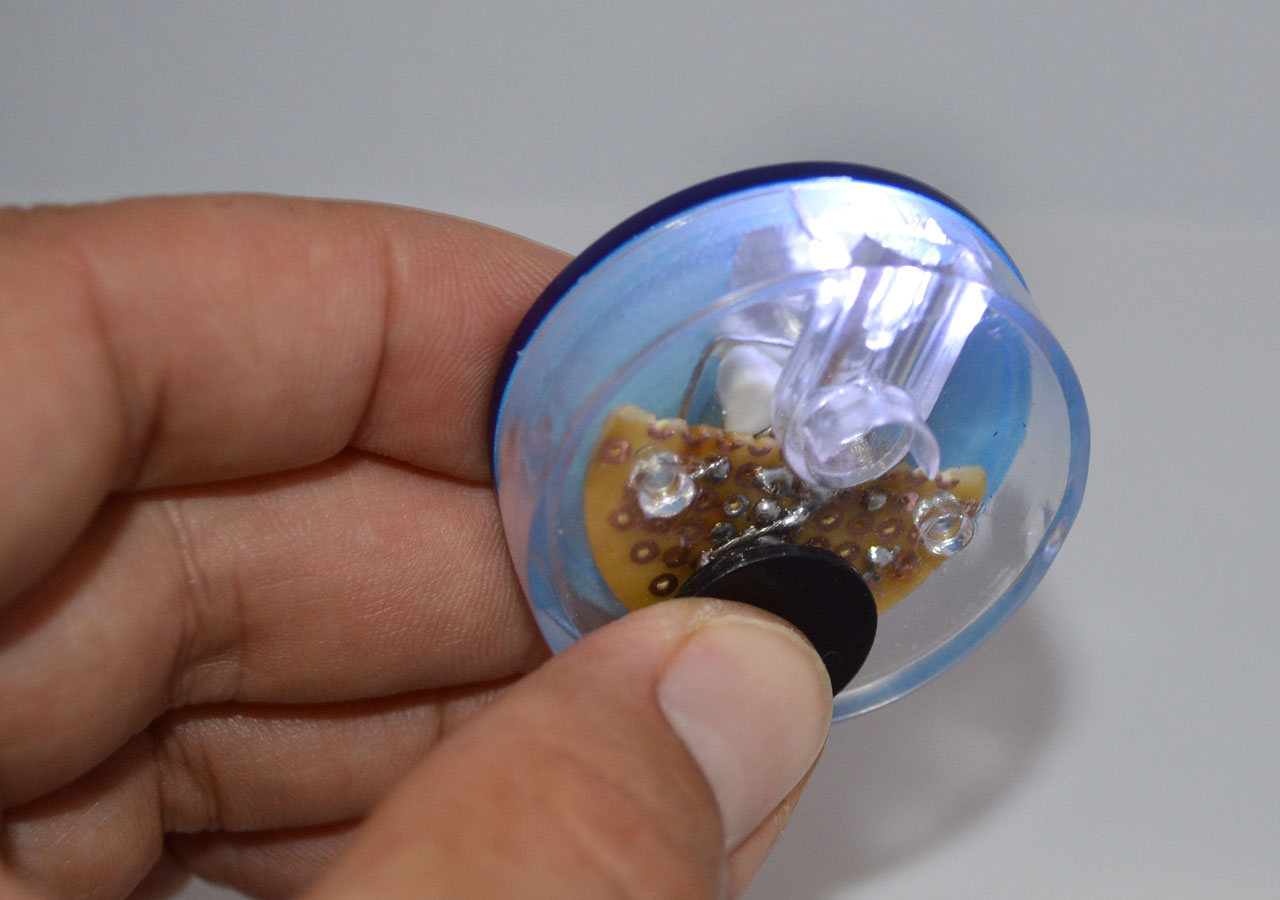
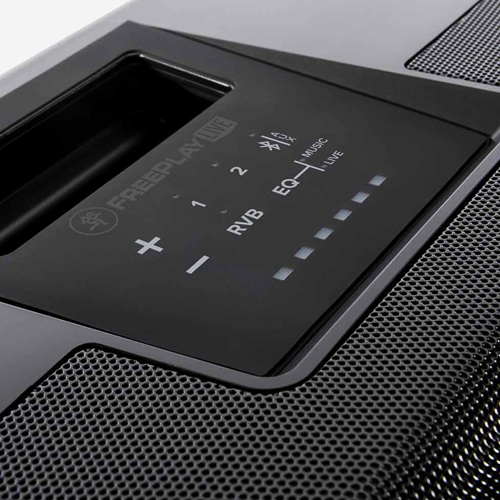
- Products with circuit boards, sensors, batteries, motors, displays, wireless connectivity, firmware, apps, or cloud integration typically require additional engineering disciplines and more development time.
- Materials, components, and prototype procurement
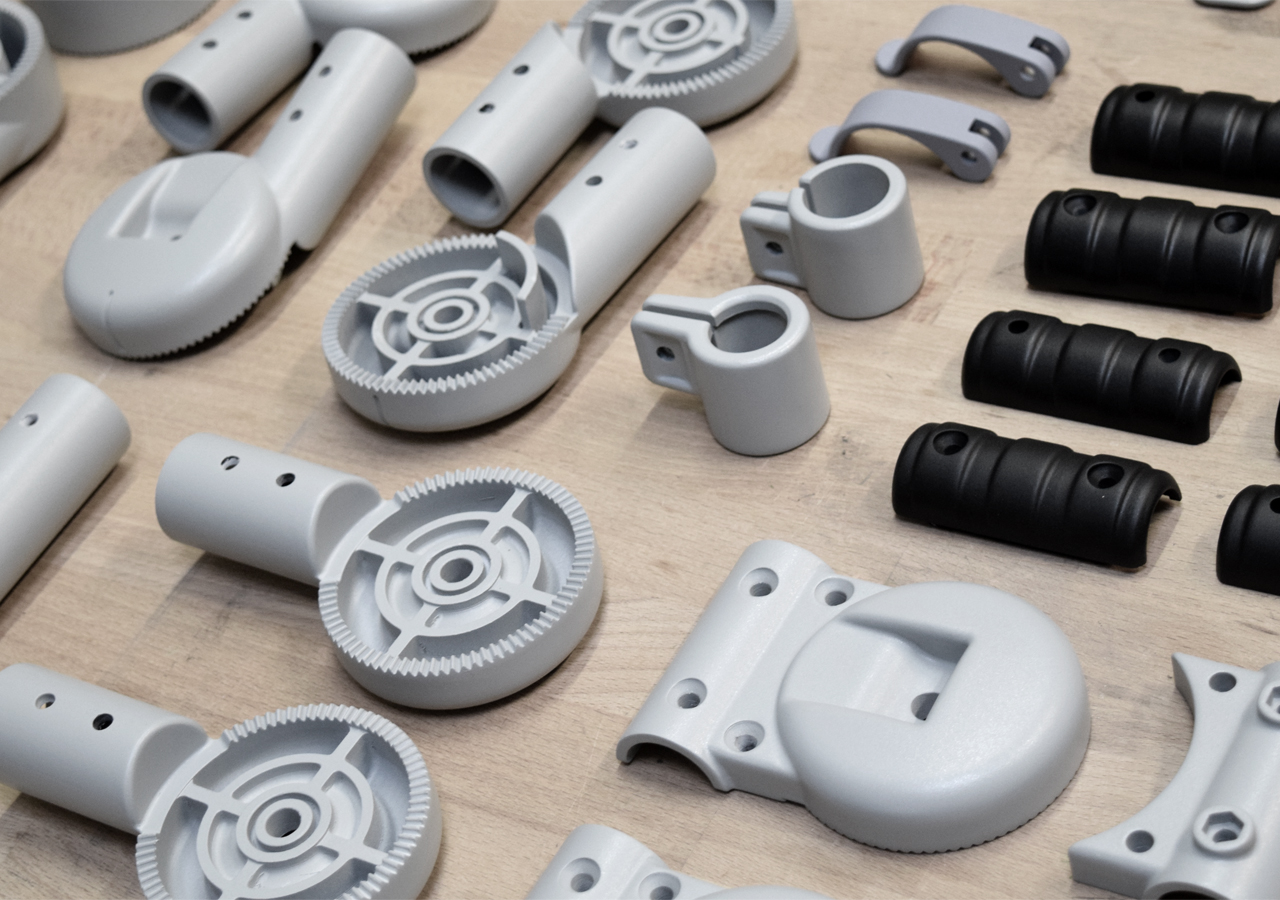
- Prototype costs can vary significantly depending on materials, purchased components, custom parts, PCB fabrication, 3D printing, CNC machining, sample quantities, vendor minimums, and lead times.
- Prototype fidelity
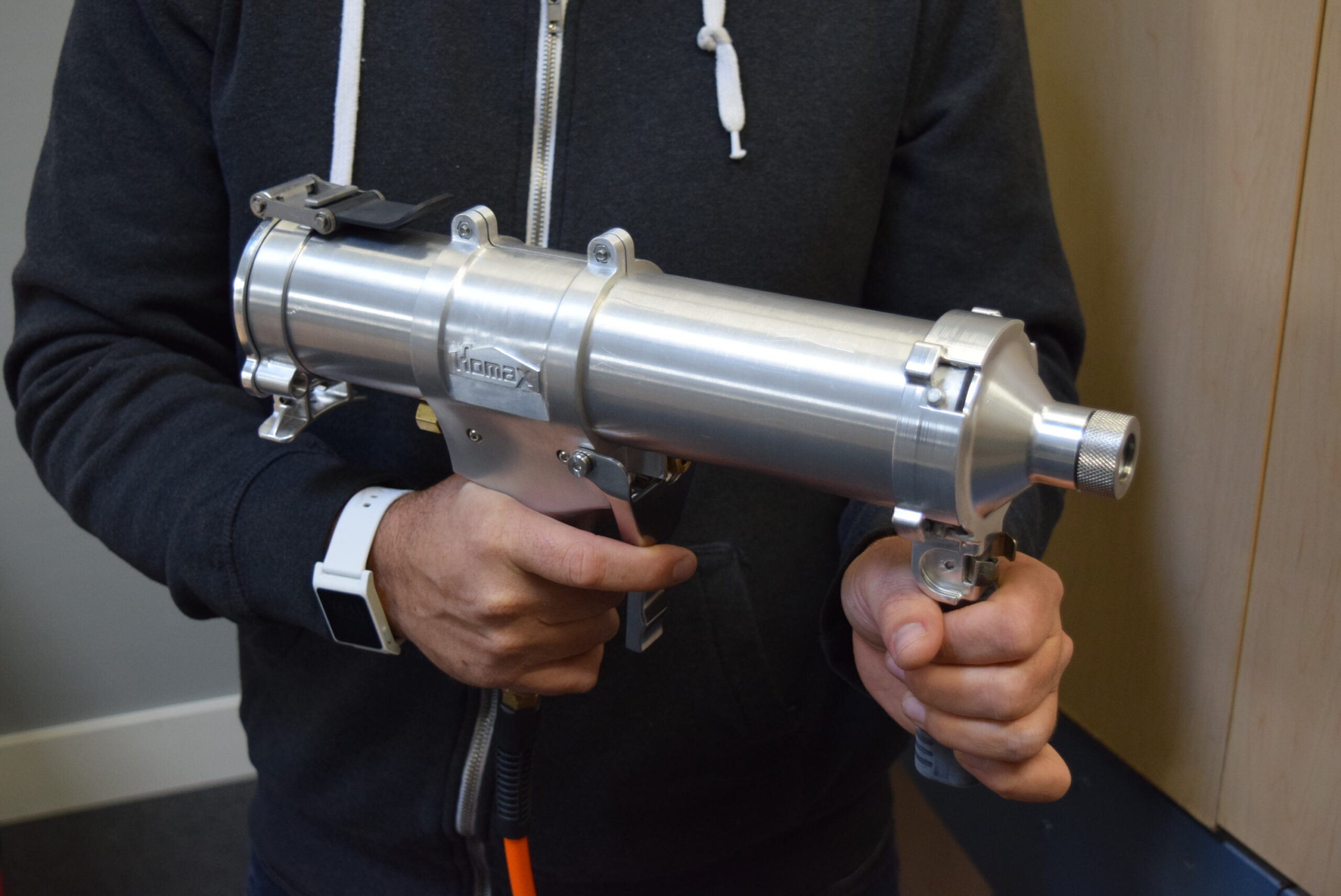
- A rough proof-of-concept prototype costs less than a refined prototype that looks, feels, and functions closer to a production product. Higher-fidelity prototypes often require better materials, more precise fabrication, and more detailed design work.
- Testing and iteration
- Most hardware products require testing and revision. Functional testing, user testing, load testing, life-cycle testing, thermal testing, water resistance testing, and reliability testing can add prototype rounds, fixtures, analysis, and redesign work.
- Certification and compliance requirements
- Products involving children, electronics, batteries, wireless communication, food-contact materials, medical or wellness claims, or safety-critical use may require additional compliance planning, documentation, material review, and third-party testing.
- Manufacturing readiness
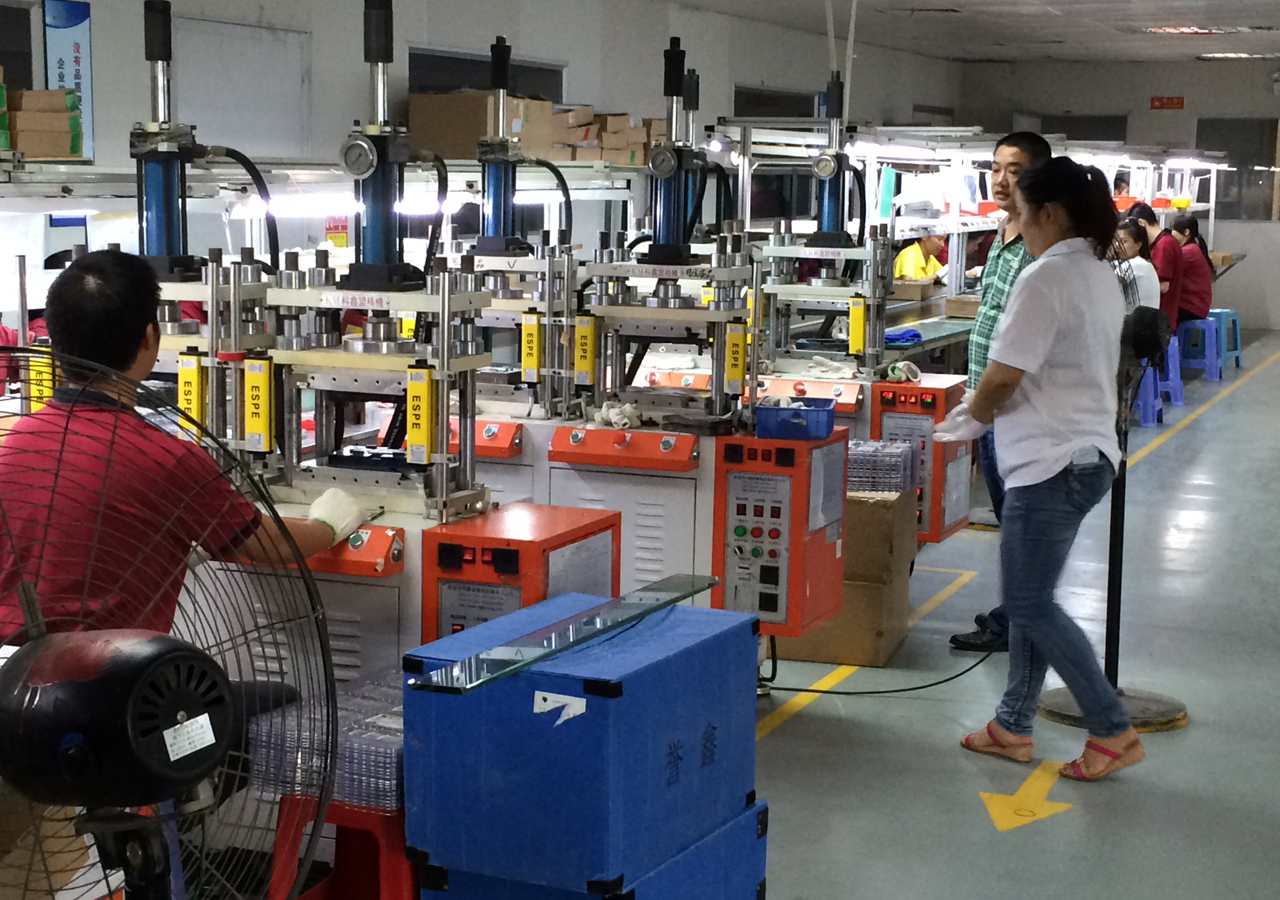
- Preparing for manufacturing may require DFM, supplier coordination, tooling support, assembly documentation, quality planning, packaging, and production validation.
A functional prototype proves the product can work. A production-ready product requires additional refinement, engineering documentation, supplier coordination, tooling, certification, packaging, and production validation.
We’ll help you understand which stage you’re actually asking for, and what level of prototype makes sense for your goals.
Time and materials or fixed fee
Time and materials
Best when the scope is still evolving and the work requires exploration, testing, and iteration. This structure allows priorities to shift as the team learns more.
Fixed fee
Best when the scope, deliverables, assumptions, and review process are defined up front. This structure provides more budget predictability, but requires tighter change control.
A conversation about where you are.
What the product needs to do, and who it is for
Sketches, CAD, prototypes, or research so far
Technical risks, electronics, certification needs
Approximate budget and timeline
Not sure where to start?
Contact us to discuss your product, budget, risks, and next steps.
Discuss Your Project